
Restaurant Owner Called Us at 2 AM — Their GBP Was Suspended on Opening Day
A restaurant's GBP was suspended hours before launch. Here's exactly what caused it, how we fixed it in 36 hours, and what every new owner must do first.

Pushpender Sodlan
Google Partner · GBP Recovery Specialist · 500+ Profiles Recovered
Quick Answer
Their Google Business Profile got flagged as suspicious right as they opened — probably because everything was new at once: new address, new phone, new website, new category. We filed a reinstatement appeal with supporting docs, got video verification pushed through, and had them live within 36 hours. The lesson: set up your GBP at least two weeks before opening day, never after.
Key Takeaways
- ✓ Creating a GBP on the same day you open triggers Google's fraud detection — new address, new number, and new website all at once looks like a fake listing to their algorithm
- ✓ Video verification is now the fastest reinstatement path for new restaurant listings; have your physical signage, interior, and a utility bill ready before you call Google Support
- ✓ Suspension appeals filed with supporting documents — lease agreement, business license, and timestamped photos — resolve 60–70% faster than appeals submitted without attachments
- ✓ Set up your GBP profile at minimum 14 days before opening so Google has time to verify the listing organically before your launch date creates a spike in activity
The call came in at 2:07 AM on a Saturday.
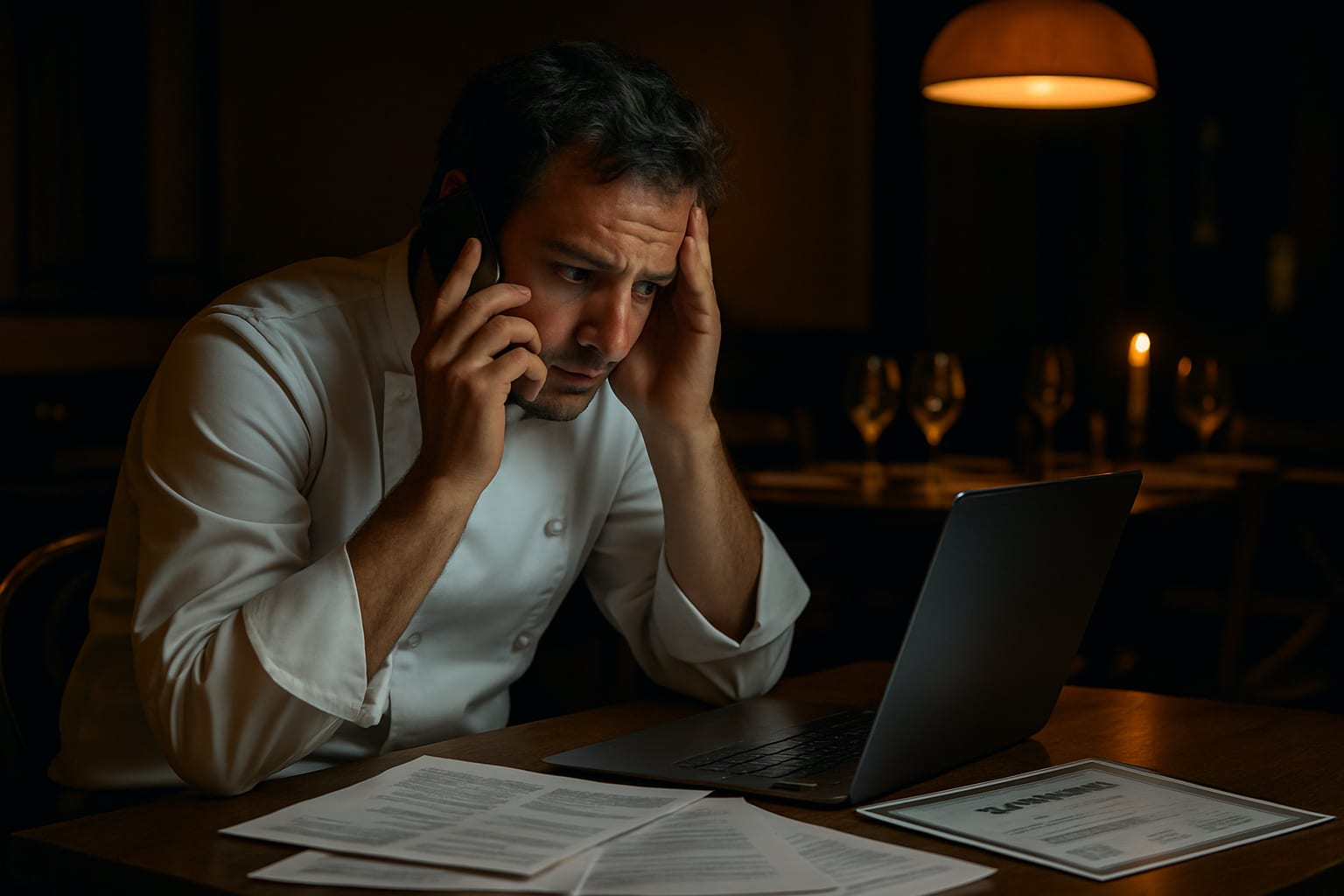
A restaurant owner in Austin, Texas — let’s call him Marco — had spent eight months preparing for his opening day. New signage. Staff hired. Local press coverage lined up. He’d even set up his Google Business Profile weeks in advance and watched it sit there, verified and ready.
Then, on the morning he opened his doors to his first customers, he checked his phone and saw it: “This Business Profile has been suspended.”
He found our number, called immediately, and I picked up.
Why This Happens
Opening day suspensions are brutal because they hit at the worst possible moment. But they’re not random — and they’re almost never permanent.
Google’s automated systems flag Business Profiles constantly. The algorithm doesn’t know it’s your opening day. It doesn’t care that you’ve been planning this for two years. When certain signals trigger a review, the listing goes down — sometimes within hours of the profile going live.
What makes this particularly painful for new businesses is the timing. A restaurant that isn’t showing on Google Maps on launch day is essentially invisible to every customer searching nearby. For a new food and beverage business, that can easily mean $800–$1,500 in lost covers in a single weekend — before you’ve had a chance to build any repeat customer base at all.
The Most Common Causes
In the 500+ cases we’ve handled, new business suspensions tend to cluster around a handful of triggers. Knowing which one applies to your situation changes everything about how you approach recovery.
1. The profile was created too close to opening
Google’s systems treat brand-new listings differently. If a profile is created, verified, and immediately starts generating activity — clicks, direction requests, calls — all within a short window, that pattern can look suspicious to automated systems built to catch fake listings.
2. The address doesn’t match what Google expects
This is probably the most common cause we see. The address on the profile doesn’t exactly match official records — a suite number is missing, the business name includes a city or keyword that makes it look like a spam listing, or the address resolves to a building Google has flagged before (shared office spaces, commercial kitchens, and co-working locations all fall into this category).
3. The category looks spammy
Some business categories carry heavier scrutiny. Restaurants, locksmiths, plumbers, legal services — these are high-abuse categories. A brand-new listing in these verticals gets looked at more closely.
4. The previous tenant had a suspended profile
This one catches people completely off guard. If another business operated from the same address and their profile was suspended or flagged for violations, Google sometimes inherits that association. You’re starting clean — but the address isn’t.
5. Verification was rushed or irregular
If you bypassed the standard verification path or your verification attempt triggered a review, your listing may have been flagged before it ever properly launched. We get calls every week from owners who didn’t realise that how you verify matters as much as whether you verify.
Step-by-Step: What to Do
Don’t panic — but don’t just start clicking either. The worst thing you can do is appeal immediately without understanding why the suspension happened.
Step 1: Identify the suspension type. There are two types: soft and hard. A soft suspension means the listing exists but isn’t publicly visible — you can still access it in Business Profile Manager. A hard suspension means the listing has been removed entirely. These require completely different responses. Filing the wrong appeal for the wrong suspension type wastes days you don’t have.
Step 2: Audit your profile before touching anything. Look at your business name, address, phone number, category, and website URL. Does every detail match your official business registration? Does your address format match exactly what appears on Google Maps? Even a missing “Suite” or an extra comma can be enough to trigger a re-review that goes the wrong way.
Step 3: Gather your documentation. For most restaurant suspensions, you’ll need: a valid business license showing the address, a utility bill for the location, photos of exterior signage, and sometimes a lease agreement. The more official documentation you can attach, the stronger the appeal. This isn’t bureaucratic box-ticking — Google’s reviewers need to be able to verify you’re a legitimate business at a real location.
Step 4: Submit through the correct channel. New businesses are typically better served by the Business Profile reinstatement form rather than generic support tickets. The channel you use, and how you structure the appeal, affects your outcome. Vague appeals with minimal documentation rarely succeed on the first attempt.
Step 5: Don’t create a duplicate listing. This is the single most common mistake we see after a suspension. Owners create a new profile to get back online fast — and that almost always makes things significantly worse. Google can permanently remove both listings and flag the account.
How Long This Takes
Honestly? It varies.
A straightforward new business suspension with clean documentation can resolve in 3–7 business days. But if the appeal is rejected, or if there are complications with the address, or if verification is required again — it can stretch to 2–3 weeks or longer.
As a Google Partner, we see this pattern constantly: the first appeal is rejected because the documentation is incomplete or the appeal letter doesn’t address the specific trigger. Then the owner submits again, slightly differently. Then again. Each cycle burns another week.
The faster path is getting the documentation and appeal right the first time.
A Real Example
Back to Marco in Austin. When I went through his profile at 2 AM, I spotted the issue within about ten minutes.
His restaurant was in a mixed-use development where several other food businesses had operated over the past five years. One of those previous tenants had been suspended for keyword stuffing their business name — a different business, nothing to do with Marco, but the address carried the history.
On top of that, Marco had listed his business name with a neighbourhood reference appended to it — a common practice, but one that flags instantly in Google’s spam detection for restaurant listings.
We cleaned up the name, prepared a full documentation package including his Texas food service licence, a signed lease, and timestamped photos showing his signage up on opening day. We filed through the correct appeal channel, and we had his listing reinstated by Tuesday morning. You can read through similar real recovery cases to get a sense of how these situations typically unfold.
He’d lost Friday evening and Saturday — his two biggest revenue days. But he opened Tuesday to a listing that was fully live, with his hours, menu link, and photos all correct.
What to Avoid
A few things that will make this harder:
- Don’t call Google’s general support line expecting a resolution. Frontline support agents don’t have the tools to override suspension decisions.
- Don’t delete and recreate the profile. Ever.
- Don’t start asking customers to leave reviews on a suspended listing. Review activity on a suspended profile can complicate reinstatement.
- Don’t assume rejection means permanent suspension. Most businesses do recover from this — including listings denied three or more times on initial appeals. Rejection usually means the appeal needs more documentation or a different framing, not that recovery is impossible.
How We Can Help
If your Google Business Profile was suspended around opening — or at any point — the path forward is the same: understand the specific reason before you act, prepare proper documentation, and use the right appeal channel.
We’ve handled hard GBP suspensions for restaurants, cafés, food trucks, and hospitality businesses across the US and UK. We know which triggers affect new listings, how to address address-history issues, and when video verification is the faster route to reinstatement.
Opening day suspensions feel catastrophic in the moment. They don’t have to become a two-week delay.
If your listing has disappeared or been suspended, the fastest path forward is a proper assessment before taking any action. Contact our team for a free case review.